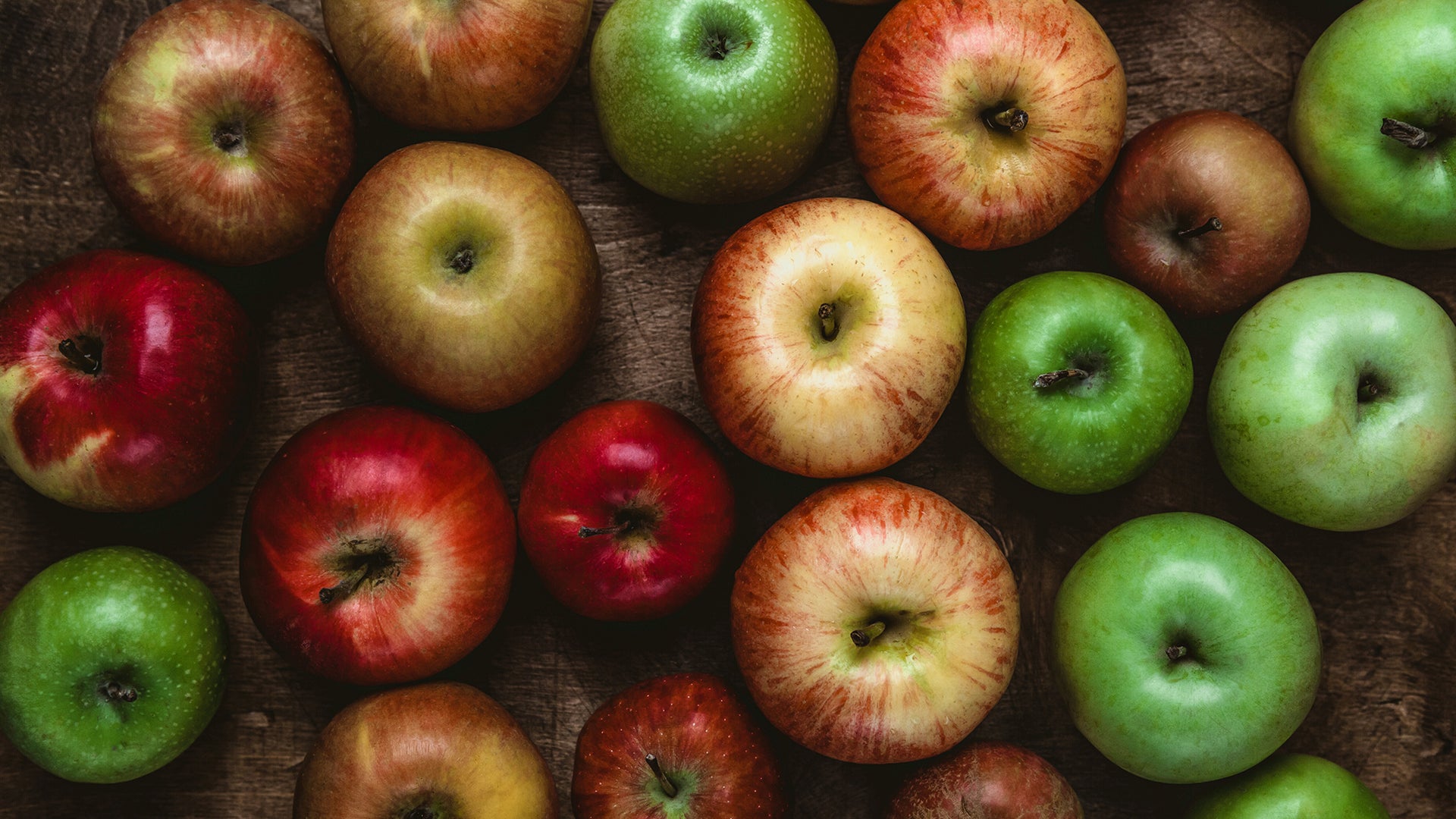
The Surprising Truth: 5 Common Myths About Apples Debunked
Apples are often marketed as a miracle fruit, but many common beliefs about them are misleading or outright false. For instance, one myth claims that all apples are created equal, when in fact, there are over 7,500 varieties of apples worldwide, each with distinct flavors, textures, and health benefits. Another prevalent misconception is that eating an apple a day will prevent all diseases. While it’s true that apples are packed with essential nutrients and antioxidants, they are not a substitute for a balanced diet and healthy lifestyle.
Furthermore, many people think that the apple peel is the only nutritious part of the fruit, but this is not entirely accurate. While the skin contains higher amounts of fiber and antioxidants, the flesh also provides valuable nutrients, including vitamin C and potassium. Another surprising myth is that apples always need to be washed before eating. Although it’s generally a good practice, some apples, particularly organic varieties, may be perfectly safe to eat without washing due to minimal pesticide use. Debunking these myths allows consumers to appreciate apples in a more informed way!
Counter-Strike is a popular first-person shooter game that pits teams of terrorists against counter-terrorists in various objective-based scenarios. Players can choose different characters and weapons while strategizing with their team to secure victory. For those interested in tech, be sure to check out the Top 10 wireless chargers for iPhone to stay charged while playing!
Are Apples Really That Healthy? Exploring the Facts Behind the Fruit
Apples have long been celebrated for their health benefits, often encapsulated in the saying, 'An apple a day keeps the doctor away.' But what does science say about this popular fruit? Rich in essential nutrients, apples are a great source of dietary fiber and vitamin C. A medium-sized apple contains about 4 grams of fiber, which aids digestion and helps maintain a healthy weight by promoting feelings of fullness. Moreover, the antioxidants in apples, such as quercetin and flavonoids, may contribute to reducing the risk of chronic diseases like heart disease and diabetes.
Additionally, apples are incredibly versatile and can be enjoyed in various forms, including fresh, baked, or juiced. Some studies suggest that eating apples may help lower cholesterol levels and improve gut health, making them an excellent choice for anyone looking to enhance their diet. However, it is essential to consume them with the skin on, as many of the beneficial compounds are concentrated there. While they should not be considered a cure-all, incorporating apples into a balanced diet can provide numerous health benefits and support overall well-being.
Do Apples Float on Water? Answering Fun Questions About This Popular Fruit
Have you ever wondered, do apples float on water? The answer is yes! Apples are buoyant due to their unique composition, which includes air-filled pockets in their structure. This air content allows the fruit to be less dense than water, enabling it to float effortlessly on the surface. Floating apples can often be seen during fun autumn activities, such as bobbing for apples, where participants compete to retrieve floating apples from a tub of water using only their mouths.
Not only do apples float, but this characteristic also offers an amusing yet educational opportunity to explore the science of density and buoyancy. If you want to make the most of your exploration, you can conduct a simple experiment at home. Fill a large bowl with water and add different types of fruits. Ask questions like, which fruits float and which sink? This can lead to a great discussion about the properties of apples and other fruits, making it a fun learning experience for both kids and adults alike.