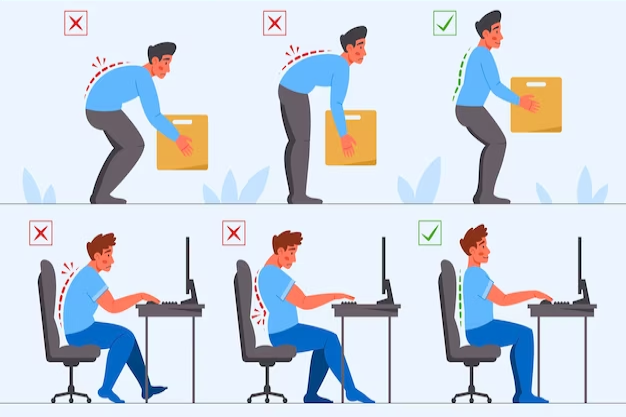
5 Signs Your Chair is Sabotaging Your Comfort
When it comes to finding the right chair, comfort should be your top priority. If you've been experiencing discomfort while sitting for extended periods, it's time to evaluate your seating arrangements. Here are 5 signs your chair is sabotaging your comfort:
- Pain and Discomfort: If you regularly feel pain in your back, neck, or legs after sitting, your chair may be the culprit. An ergonomic design is crucial for maintaining proper posture.
- Poor Support: A chair without adequate lumbar support can lead to slouching, which exacerbates discomfort over time.
- Wear and Tear: If your chair is showing visible signs of wear, such as a lumpy seat or a broken armrest, it might not provide the support you need.
- Limited Adjustability: A chair that lacks adjustable features cannot accommodate different body types or preferences, leading to an uncomfortable experience.
- Temperature Issues: Fabric or material that traps heat can make long sitting sessions unbearable. Look for breathable materials to enhance comfort.
Counter-Strike is a popular first-person shooter game that has captivated gamers since its inception. Players can choose between two teams, terrorists and counter-terrorists, to complete various objectives. For those looking to enhance their gaming experience, consider checking out the Top 10 Work From Home Desk Setups to create a comfortable and efficient environment for long gaming sessions.
The Hidden Dangers of Poor Ergonomics: Is Your Chair to Blame?
In today's digital age, many of us spend hours seated at our desks, often overlooking the critical concept of ergonomics. One of the primary culprits behind discomfort and long-term health issues is the chair we use. Poorly designed chairs can lead to a host of problems, including back pain, poor posture, and even repetitive strain injuries. It's crucial to evaluate your seating arrangement and understand how it may be affecting your body. Is your chair too low or too high? Is it supporting your lumbar region adequately? Taking these factors into account can help you identify the hidden dangers of poor ergonomics in your workspace.
To mitigate these risks and enhance your comfort, consider these ergonomic tips:
- Adjust your chair height to ensure your feet are flat on the floor and thighs are parallel to the ground.
- Support your lower back with a cushion or a lumbar support feature in your chair.
- Position your computer screen at eye level to prevent neck strain.
- Take regular breaks to stand up, stretch, and adjust your posture.
Can Your Office Chair Cause Long-Term Health Issues?
Many people spend countless hours sitting at their desk, often without considering the impact of their office chair on their overall health. The wrong type of chair can lead to a myriad of long-term health issues. Poor posture, inadequate lumbar support, and the lack of adjustability are major factors that contribute to musculoskeletal disorders and chronic pain. According to studies, 50-70% of office workers report experiencing back pain attributed to their seating arrangements. Investing in a high-quality ergonomic chair that supports your spine can significantly reduce the risk of these problems.
In addition to back pain, a subpar office chair can have secondary effects, such as decreased productivity and mental fatigue. When discomfort arises, it becomes difficult to concentrate, leading to reduced efficiency at work. Furthermore, prolonged sitting has been linked to other serious health issues, including obesity, cardiovascular disease, and even postural issues like scoliosis. To promote better work habits, it is crucial to incorporate regular breaks and movement throughout your day, paired with a chair that fosters healthy posture. By addressing these factors now, you can help prevent significant health challenges in the future.