Unlocking Creativity: How the Right Camera Lens Transforms Your Photography
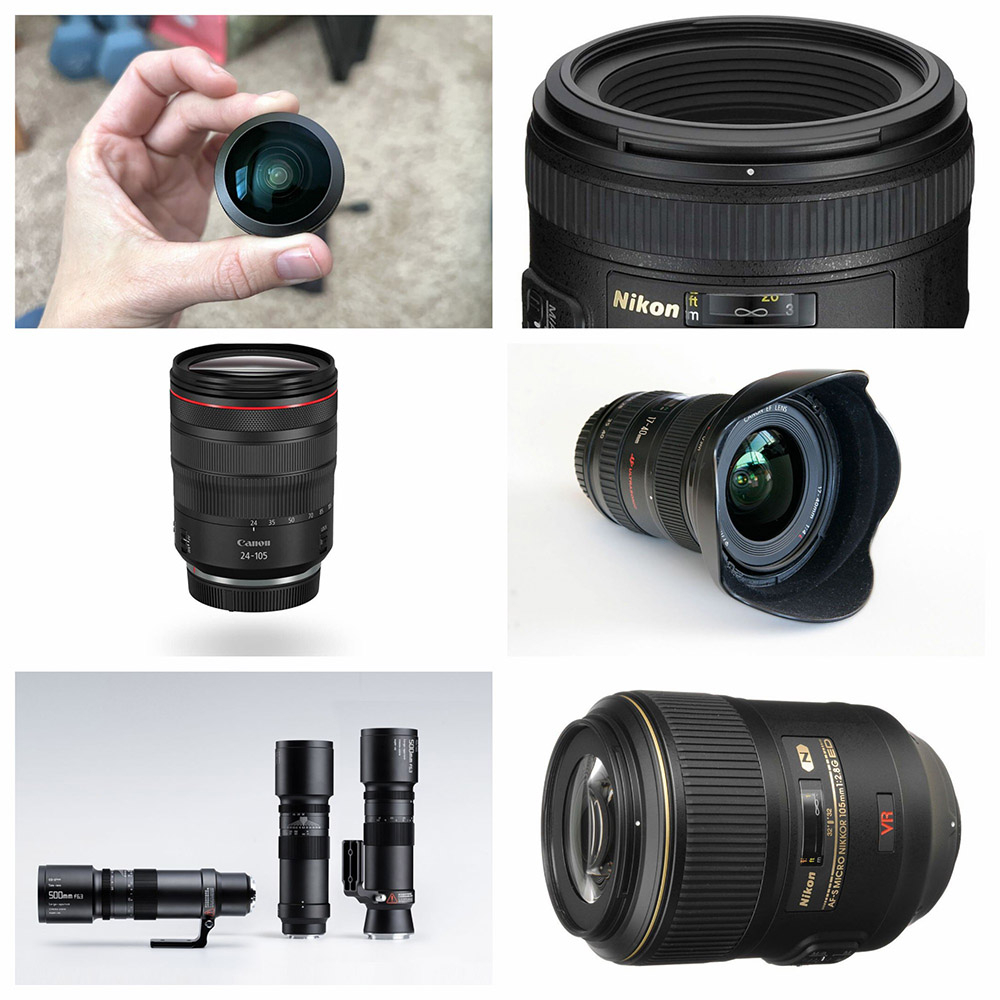
Creativity in photography often stems from how the right camera lens can enhance your vision and capture stunning images. Different lenses offer unique perspectives and abilities, enabling photographers to explore various styles and subjects. For instance, wide-angle lenses are perfect for landscape photography, allowing you to capture sweeping vistas and vast scenes. On the other hand, macro lenses let you delve into the intricate details of small subjects, revealing beauty often overlooked by the naked eye. Experimenting with various lenses can truly unlock your creative potential, transforming mundane scenes into captivating works of art.
Moreover, the lens you choose can significantly affect the mood and storytelling of your photographs. A prime lens with a wide aperture creates stunning bokeh effects, drawing attention to your subject and adding a sense of intimacy. Conversely, a telephoto lens allows you to isolate subjects from a distance, making it ideal for wildlife or candid street photography. By understanding the characteristics of different lenses, you can intentionally select the right tool for your artistic vision, allowing your creativity to flourish. Remember, the journey of discovering the perfect lens is an integral part of evolving as a photographer.
Counter-Strike is a highly popular tactical first-person shooter game that emphasizes teamwork and strategy. Players can choose between two teams, terrorists and counter-terrorists, as they compete in various game modes and missions. For those interested in enhancing their gaming experience, you might want to check out the Top 10 iphone accessories under 50 to find some great gadgets.
The Ultimate Guide to Choosing the Perfect Lens: What Every Photographer Should Know
Choosing the perfect lens is a crucial decision that every photographer must face, whether you are a beginner just starting out or a seasoned professional looking to refine your kit. Understanding the different types of lenses available and their specific uses can significantly impact the quality of your photos. First, consider the focal length: wide-angle lenses (typically between 14mm to 35mm) are ideal for landscapes and architecture, while telephoto lenses (70mm and above) excel in wildlife and portrait photography. Additionally, look for lenses with large apertures, such as f/1.8 or f/2.8, which allow for better low-light performance and beautiful bokeh effect in your images.
When selecting a lens, it's also essential to consider the brand compatibility with your camera body. Not all lenses fit all camera systems, so ensure that the lens you choose is compatible with your DSLR or mirrorless camera. Furthermore, you might want to invest in a quality prime lens for sharpness and clarity, or a versatile zoom lens for flexibility in various shooting scenarios. Finally, don't forget to read reviews and seek guidance from fellow photographers to find the right lens that meets your specific needs, as this can save you time and money in the long run.
What Impact Does Lens Choice Have on Your Photography Style?
When it comes to photography, lens choice plays a pivotal role in shaping your overall style and artistic vision. Different lenses vary in focal length, aperture, and optical composition, all of which influence the way images are captured. For instance, a wide-angle lens is ideal for capturing expansive landscapes, allowing you to encompass a larger field of view, while a telephoto lens excels at isolating subjects from afar, providing a pronounced depth of field. By selecting the appropriate lens, photographers can enhance their ability to convey emotion and tell compelling stories through their images.
Moreover, the choice of lens can significantly affect the mood and composition of your photographs. Using a prime lens, known for its superior sharpness and wider aperture, can create stunning portraits with a beautiful bokeh effect, setting your subject apart from the background. In contrast, a zoom lens offers versatility, enabling you to adjust framing without physically moving closer or farther away from the subject. Each lens type has its unique characteristics that contribute to your photography style, and understanding these differences allows you to make informed decisions that elevate your work.