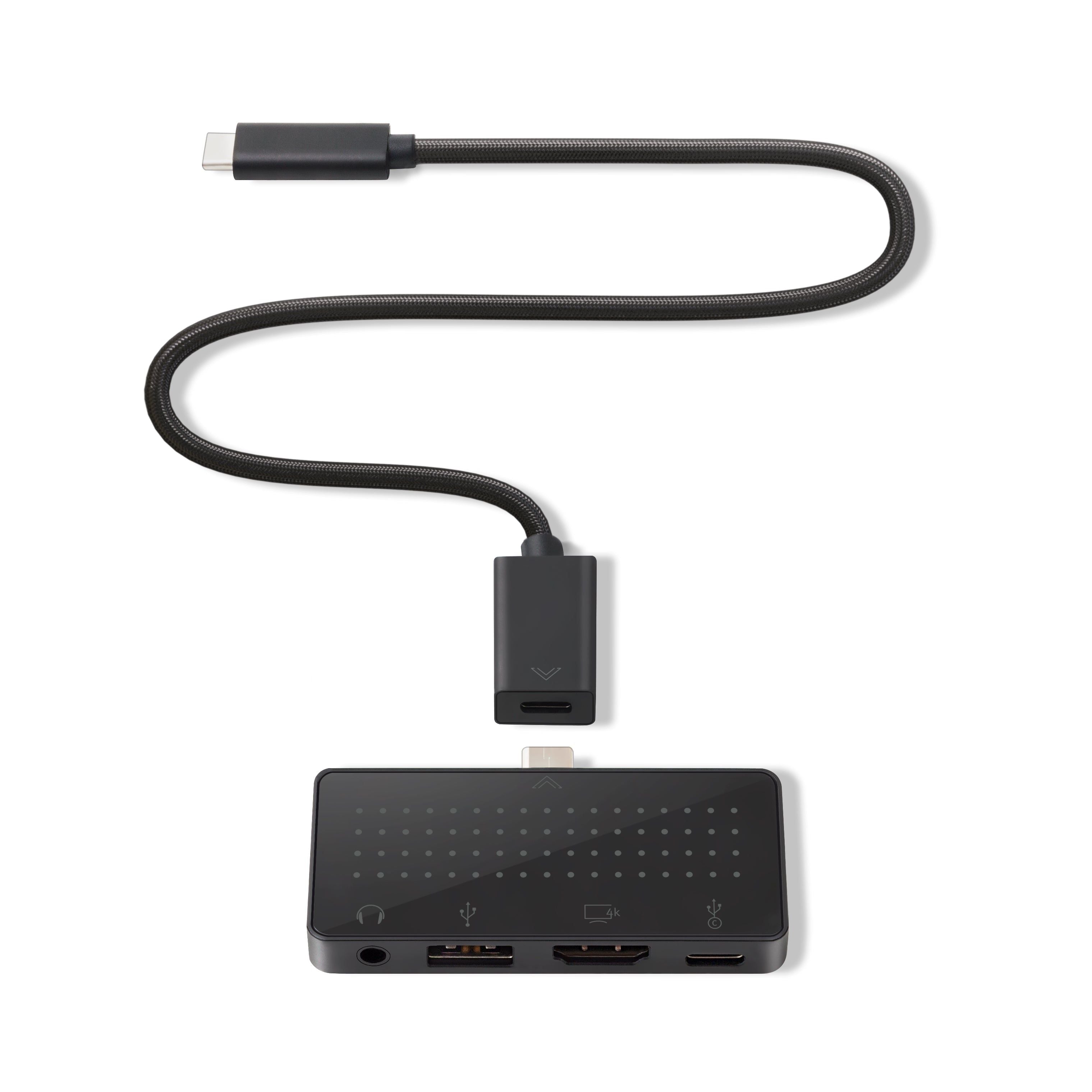
Maximizing Workspace: The Benefits of Using a USB Hub
In today's digital age, having an efficient workspace is more important than ever. One simple yet effective way to maximize workspace is by incorporating a USB hub into your setup. A USB hub allows you to connect multiple devices to your computer simultaneously, reducing clutter and enhancing productivity. Instead of struggling with limited USB ports, a hub can provide you with ample connectivity options for keyboards, mice, external drives, and even charging stations, enabling a seamless workflow.
Moreover, using a USB hub facilitates better organization of your physical workspace. By consolidating connections through a single hub, you can minimize cable tangles and create a cleaner environment. This organization not only improves the aesthetic appeal of your desk but also helps you locate and access devices more efficiently. With a clear workspace, you can focus better on your tasks and boost your overall efficiency.
Counter-Strike is a popular tactical first-person shooter game that has become a staple in competitive gaming. Players can choose to be part of either the terrorist or counter-terrorist teams, engaging in strategic gameplay and fast-paced action. For those looking to enhance their gaming experience, having the right equipment is essential. Check out the Top 10 macbook accessories to elevate your setup and improve your performance.
USB Hub Essentials: What to Consider for an Efficient Workstation
When setting up an efficient workstation, USB hubs play a crucial role in connecting multiple devices seamlessly. A well-chosen USB hub can enhance productivity by allowing users to connect peripherals such as keyboards, mice, and external storage devices without hassle. When selecting a USB hub, consider factors such as data transfer speeds, the number of ports available, and whether the hub supports USB 3.0 or higher standards for optimal performance.
Another essential aspect to consider is power delivery. If you frequently use power-hungry devices, look for a USB hub that offers sufficient power through its ports. Additionally, the physical design matters—ensure it has a compact form factor or built-in cable management for a clean workspace. Finally, read reviews and check warranties to ensure you choose a durable and reliable product that meets your workstation needs.
How to Choose the Right USB Hub for Your Needs?
When selecting the right USB hub for your needs, it's essential to consider several factors that can influence your overall experience. First, determine the number of devices you plan to connect simultaneously. For example, if you have multiple peripherals such as a keyboard, mouse, external drives, and printers, look for a hub with a sufficient number of ports. Additionally, consider the type of USB (USB 2.0, USB 3.0, or USB-C) your devices use and ensure compatibility with the hub you choose. Performance is another crucial aspect; for high-speed data transfer, USB 3.0 hubs are preferable due to their faster rates.
Another important factor to consider is the power source of the USB hub. Some hubs are bus-powered, which means they draw power directly from the connected device, while others come with an external power source, allowing for charging and supporting multiple high-powered devices simultaneously. If you frequently use devices that demand more energy, such as external hard drives, a powered USB hub is a better option. Finally, check for additional features like built-in charging ports, data transfer speeds, and compact designs, which can enhance usability and convenience in your daily workflow.