The Hidden Wonders of Stationary Rail Stations: Exploring Their Cultural Significance
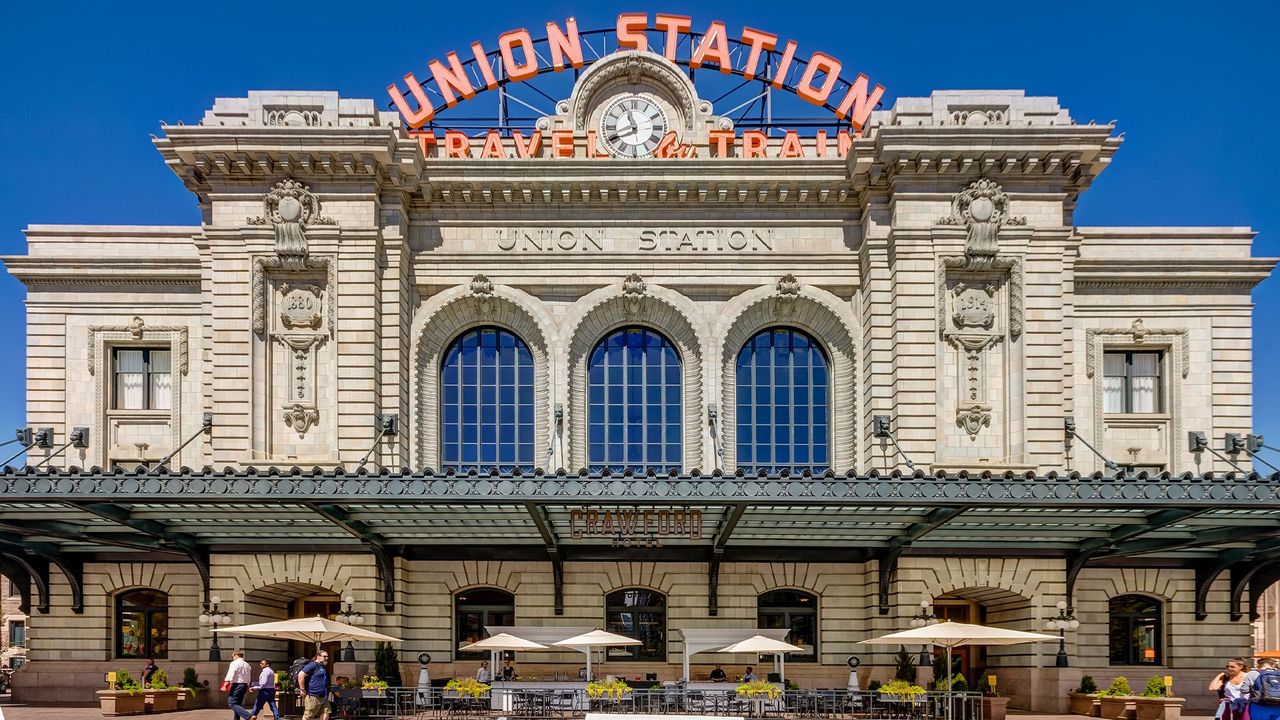
The cultural significance of stationary rail stations is often overlooked, yet these architectural marvels serve as vital hubs of community interaction and reflection of local history. From grand structures adorned with intricate designs to minimalist modern designs, rail stations encapsulate the essence of the regions they serve. Not only do they facilitate travel, but they also host art exhibitions, cultural events, and local markets, becoming social meeting points that foster unity and interaction among travelers and locals alike.
Furthermore, many rail stations boast impressive histories that are integral to their communities. For example, a significant number of these stations have been designated as heritage sites, showcasing unique architectural styles or important historical events that shaped the area. Guided tours, narrative plaques, and informational displays help educate visitors about the stories behind these structures, ensuring that the legacy of the past continues to resonate in the present. Exploring a stationary rail station can unveil a treasure trove of local culture, making each visit an enriching experience filled with discovery.
Counter-Strike is a highly popular first-person shooter game that has captivated gamers since its release. It features a team-based gameplay where players can choose to fight for either the terrorist or counter-terrorist side. For players looking to strategize and enhance their performance, understanding the latest gear is essential, which includes knowing the Top 10 charging stations for maintaining equipment during extended play sessions. The game's competitive scene continues to thrive with tournaments and a dedicated player base worldwide.
Beyond the Tracks: Unique Stories of Abandoned Trains and Their Surroundings
Across the globe, numerous abandoned trains have become unexpected landmarks, each telling a unique story of history and nostalgia. From the rusting carcasses of locomotives in remote fields to the urban relics overtaken by nature, these sites offer a glimpse into a bygone era of transportation. Beyond the tracks, you can find vibrant ecosystems flourishing around these forgotten giants. In many cases, these locations become havens for wildlife, turning into a beautiful juxtaposition of man-made structures and nature's reclaiming touch.
One captivating example is the abandoned train station in Belchite, Spain, where visitors can explore the crumbling walls that whisper tales of the Spanish Civil War. Likewise, the ghostly remains of the train graveyard in Uyuni, Bolivia, serve as a memorial to the once-thriving railroad that fueled local economies. These unique stories remind us of the passage of time and the transient nature of human endeavors. Whether you're an adventurer, a history buff, or a photographer, exploring these abandoned trains and their surroundings offers an inspiring journey through forgotten chapters of our world.
Can You Travel the World Without Moving? The Art of Stationary Train Adventures
In a world that often equates travel with physical movement, the concept of stationary train adventures offers a refreshing perspective. Imagine sinking into a plush seat aboard a vintage train, coffee in hand, as you embark on an imaginary journey through the scenic landscapes of far-off destinations. These experiences enable you to savor the essence of travel without the exhaustion of constant transit. With just a few creative tools, such as immersive documentaries or virtual reality train rides, you can explore bustling city life in Tokyo or the serene countryside of the Swiss Alps—all from the comfort of your own home.
Moreover, stationary train adventures foster a unique opportunity for storytelling and community engagement. Host virtual meet-ups with fellow travel enthusiasts, where you can share your imagined travels and exchange tips on how to bring the world to your living room. Whether through thematic movie nights or curated playlists that capture the sounds of different regions, the art of stationary travel encourages a deep connection with cultures, cuisines, and epochs. So, is it possible to travel the world without moving? Absolutely—just climb aboard your imagination and let the adventure begin!