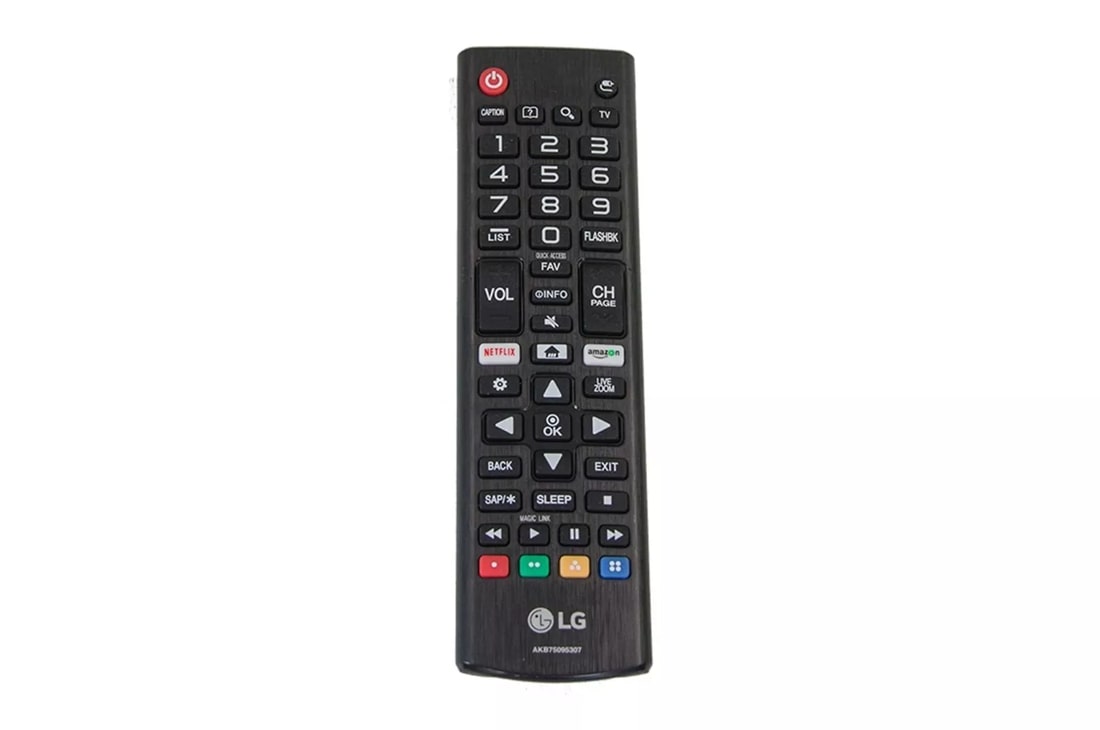
The Evolution of the TV Remote: From Dials to Smart Control
The evolution of the TV remote has been nothing short of revolutionary. From dials to smart control, the your viewing experience has dramatically changed over the decades. Initially, televisions were controlled manually, requiring the user to get up and turn knobs or adjust dials to change channels or volume. This was a tedious task, especially for households with multiple family members vying for control over what to watch. The introduction of the first remote control, known as the ‘Zapper’ in the 1950s, marked the dawn of a new era, giving users the ability to change channels with a simple click. Over time, remotes evolved with features like dedicated buttons, integrated volume control, and even programmable functions to enhance usability.
As technology continued to advance, so too did the functionality of the TV remote. The shift towards smart control has been a game changer in the industry. Today's remotes often come equipped with voice control, allowing users to simply speak commands to change channels, search for shows, or even interact with smart home devices. Furthermore, many models integrate with streaming services and offer customizable interfaces to streamline the viewing experience. The transition from basic dials to sophisticated smart technology not only reflects changes in consumer preferences but also symbolizes the broader shift towards convenience and accessibility in home entertainment.
Counter-Strike is a popular team-based first-person shooter that has captivated gamers since its initial release in 1999. Players engage in various objective-based game modes, often pitting counter-terrorists against terrorists. For those interested in enhancing their gaming experience, here are the Top 10 apple tv remotes that can elevate your setup.
How TV Remotes Have Transformed Home Entertainment
The invention of the TV remote revolutionized home entertainment, providing viewers with unprecedented convenience and control over their viewing experience. Before remotes became ubiquitous, audiences were limited to getting up from their seats to change channels or adjust the volume, which often deterred spontaneous viewing. Then came the remote, an innovative tool that not only enhanced user engagement but also paved the way for more complex entertainment systems. Today, most people can't imagine watching TV without the ease of a remote at their fingertips, allowing for a seamless transition between streaming services, cable channels, and even gaming consoles.
Moreover, the evolution of the TV remote has led to the incorporation of advanced technologies such as voice control, touch interfaces, and smart home integration. Modern remotes now boast functionalities that let users control smart devices, search for content using voice commands, and even customize their viewing preferences through personalized settings. As households increasingly embrace smart technology, the humble remote has not only kept pace but also transformed into a central hub for managing home entertainment, demonstrating its lasting impact on how we consume media today.
Are Smart Remotes the Future of TV Control?
As technology continues to advance, smart remotes are rapidly gaining popularity as an innovative solution for controlling televisions and other devices. Unlike traditional remotes, which often require multiple devices to function, smart remotes consolidate control into a single, user-friendly interface. This adaptability not only simplifies the viewing experience but also offers enhanced features such as voice recognition and integration with smart home systems. With the rise of streaming services and smart TVs, many users are discovering the convenience and efficiency of smart remotes for a seamless entertainment experience.
Furthermore, the question of whether smart remotes are truly the future of TV control hinges on user preferences and technological advancements. As more consumers seek intuitive ways to manage their entertainment systems, the demand for smart remotes is likely to increase. Key benefits such as customized shortcuts, programmable features, and compatibility with various devices make smart remotes a compelling choice for modern households. Ultimately, as the trend towards smart homes grows, it seems that embracing smart remotes could signal the future of TV control.