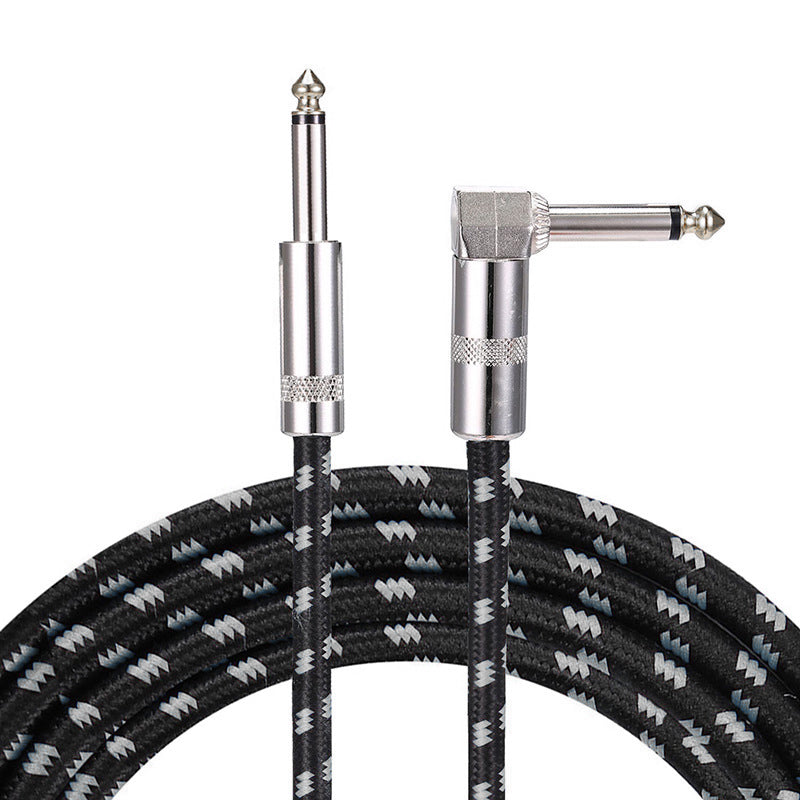
Exploring the Impact of Long Cable Length on Signal Quality
When it comes to electronic communication, the length of cable can significantly influence the overall signal quality. As the distance between devices increases, several factors come into play, including attenuation, which refers to the gradual loss of signal strength as it travels along the cable. Longer cable lengths can lead to increased resistance and interference, resulting in weaker signals that can manifest as data loss or a sluggish response time. Understanding these impacts is crucial for anyone working with various types of cables, whether in networking, audio systems, or video connections.
Moreover, it's essential to consider the type of cable being used, as different cables are designed to handle varying lengths and types of signals. For instance, fiber optic cables can transmit signals over much longer distances with minimal loss compared to traditional copper cables. However, even fiber optics have their limits, influenced by factors such as bandwidth and environmental conditions. To maintain the best possible signal quality, users should carefully evaluate their specific requirement and choose appropriate lengths, as well as premium-quality cables designed for extended performance.
Counter-Strike is a popular tactical first-person shooter game that emphasizes teamwork, strategy, and skill. Players can choose between two opposing teams: Terrorists and Counter-Terrorists, each with their own objectives. The game has a vibrant esports scene, drawing millions of players and fans worldwide. For the best gaming experience, you may also want to check out the Top 10 iphone charging cables to ensure your devices are always charged and ready.
The Science Behind Cable Gauge: How Size Affects Performance
The science behind cable gauge involves understanding how the size of a cable can significantly impact its performance. Cable gauge refers to the thickness of the wire, which is measured in American Wire Gauge (AWG). A lower AWG number indicates a thicker wire, which can carry more current with less resistance. This resistance is crucial because it affects how much power can be transmitted without overheating, leading to a loss of energy and potential equipment failure. For instance, using a lower gauge cable for high-power applications can enhance efficiency and ensure safety, while a higher gauge cable might be sufficient for lower power needs.
When selecting cables, it’s vital to consider not only the cable gauge but also how it relates to the distance of the run. Longer distances require thicker cables to minimize the effects of voltage drop, which occurs when electrical energy is lost as heat. According to electrical standards, a drop of more than 3% is not advisable for most applications. Therefore, an understanding of the relationship between cable size and its impact on performance can help in making informed choices that optimize functionality and longevity of electrical systems.
What You Need to Know About Cable Length and Voltage Drop
When planning any electrical installation, understanding cable length and its relation to voltage drop is essential for ensuring both safety and efficiency. Voltage drop occurs when electrical energy is lost as it travels through the cable, primarily due to its resistance. The longer the cable, the more resistance it presents, which can lead to significant voltage drops especially in high-power applications. Therefore, knowing the ideal cable length for your specific needs is crucial. A general rule of thumb is that the voltage drop should not exceed 3% for branch circuits and 5% for feeders. This helps ensure that your electrical devices function optimally without the risk of damage due to insufficient voltage levels.
To properly calculate voltage drop, consider using an online calculator or the following formula: Voltage Drop (V) = Current (Amps) x Cable Length (Feet) x 2 x Resistance (Ohms per 1000 Feet). This formula accounts for both the outgoing and return paths of the current. It's important to select the right size and type of cable based on the cable length and anticipated load to minimize voltage drop. In many cases, investing in a thicker cable may be a prudent choice for long runs, as it can significantly reduce the loss of voltage and improve overall system performance. By taking these factors into account, you can ensure a more reliable and efficient electrical system.